
Ultimate Product Guide For Industrial Painting Service Providers
Explore comprehensive options designed to meet the complex demands of industrial painting with efficiency and precision.
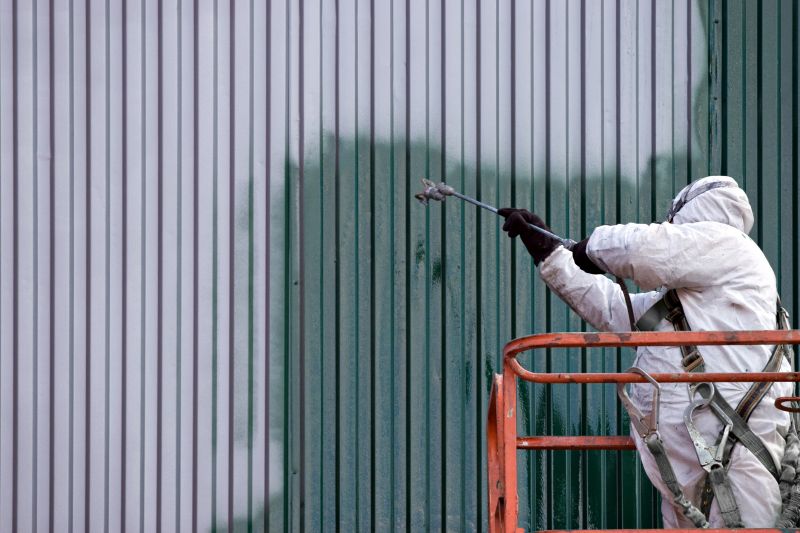 Industrial painting services require a diverse array of products designed to ensure durability, precision, and efficiency in large-scale applications. From surface preparation tools to specialized coatings, each product plays a vital role in achieving high-quality finishes on industrial structures, machinery, and equipment. The selection of appropriate equipment can significantly influence the quality and longevity of the paint job, making it essential to understand the variety of products available. Properly choosing and utilizing these tools can streamline workflows, reduce waste, and improve safety during the painting process.
Top Overall Option
Industrial Spray Painting System
A comprehensive industrial spray painting system combines high-capacity spray guns, durable hoses, and efficient compressors to facilitate large-scale coating projects. These systems are designed to provide smooth, even application across various surfaces, offering versatility for different coating types and project sizes. They are suitable for use in factories, shipyards, and construction sites where large volumes of paint need to be applied efficiently and consistently.
Types of Products For Industrial Painting Service
Abrasive Blasting Equipment
Tools used for surface cleaning and preparation, including sandblasters and media blasters, to remove rust, old paint, and surface contaminants.
Industrial Spray Guns
High-volume spray guns designed for even application of paints, primers, and coatings on large surfaces.
Air Compressors
Powerful compressors that supply the necessary air pressure for spray guns and other pneumatic tools used in painting applications.
Protective Coatings
Specialized paints such as epoxy, polyurethane, and anti-corrosion coatings formulated for industrial environments.
Paint Mixers and Agitators
Equipment for thoroughly mixing large quantities of paint to ensure uniform consistency and color.
Surface Preparation Tools
Sanding machines, grinders, and wire brushes used to prepare surfaces for painting.
Respirators and Masks
Personal protective equipment designed to safeguard workers from inhaling hazardous fumes and dust.
Drop Cloths and Containment Systems
Protective coverings and containment tools to prevent overspray and contain hazardous materials.
Cleaning Solvents and Degreasers
Chemicals used for cleaning surfaces and equipment before and after painting.
Ladders and Scaffolding
Access equipment for reaching high or hard-to-reach areas during painting projects.
Paint Storage Tanks
Large containers for storing and transporting paints and coatings safely on-site.
Mixing and Pumping Equipment
Machines designed to transfer and mix paints efficiently for large projects.
Safety Harnesses and Fall Protection
Equipment to ensure worker safety when working at heights during painting tasks.
Heat Guns and Drying Equipment
Tools to accelerate drying times and improve workflow efficiency.
Inspection and Measurement Tools
Devices for assessing coating thickness, adhesion, and surface integrity.
Popular Choices
Widely used for their ease of use and consistent spray patterns across various projects.
Popular for providing reliable air pressure for large-scale spraying tasks.
Essential personal protective equipment for worker safety during painting operations.
Commonly used for their strong adhesion and resistance properties in industrial settings.
Effective for preparing surfaces quickly and thoroughly before painting.
Popular for ensuring uniformity in large batches of industrial paints.
Used to protect surrounding areas from overspray and spills during painting.
Frequently chosen for surface cleaning to ensure proper coating adhesion.
Popular for providing safe access to elevated work areas.
Commonly used for efficient storage and transport of paints on-site.
Preferred for their ability to handle high-viscosity coatings and large projects.
Popular for ensuring quality control and surface readiness.
Used to accelerate the curing process in industrial coating applications.
Essential safety gear for working at heights in industrial environments.
Surface preparation is a critical initial step in industrial painting, involving abrasive blasting, sanding, or cleaning to ensure proper adhesion of coatings. Protective gear such as respirators and gloves are necessary to safeguard workers from dust, fumes, and chemicals. Once surfaces are prepared, applying the right type of paint or coating—whether epoxy, polyurethane, or specialized industrial primers—is vital for achieving desired performance characteristics. Equipment like spray guns, rollers, and brushes are commonly used, each suited for different types of surfaces and application techniques.
In addition to application tools, storage and mixing equipment are essential for managing large quantities of paint and ensuring consistent color and texture. Safety equipment, including ventilators and containment systems, help maintain a safe working environment, especially in enclosed or hazardous areas. Maintenance supplies such as cleaning solvents and replacement parts for spray systems also contribute to ongoing operational efficiency. Selecting products that meet industrial standards and compatibility requirements can help prevent issues like corrosion, peeling, or uneven coverage, ultimately extending the lifespan of the painted surfaces.
Key Buying Considerations
- Compatibility with specific coating types and surfaces to ensure proper application.
- Coverage capacity and spray width for efficiency in large-scale projects.
- Durability and build quality of equipment to withstand industrial conditions.
- Ease of use and ergonomic design to reduce worker fatigue.
- Safety features such as pressure regulation and leak prevention.
- Availability of replacement parts and maintenance support.
- Compatibility with existing tools and equipment on-site.
- Portability and ease of transportation for mobile work environments.
- Compliance with industrial safety standards and certifications.
- Cost-effectiveness considering long-term operational expenses.
- Versatility for different coating materials and application techniques.
- Ease of cleaning and maintenance to ensure longevity.
- Power sources, such as electric or pneumatic, suited to the work environment.
- Environmental controls, like ventilation options, especially in enclosed spaces.
- Availability of training or user manuals to ensure proper usage.
This page contains affiliate links. We may earn a commission from qualifying purchases to support our content creation.