Industrial Painting Timing Strategies
Industrial painting services are most effective when scheduled during periods of low operational activity or planned downtime. Proper timing ensures minimal disruption to daily operations and allows for optimal surface preparation and curing conditions.
Late spring and early fall often provide ideal weather conditions, with moderate temperatures and low humidity, suitable for industrial painting projects.
Avoid painting during extreme temperatures, heavy rain, or high humidity, which can compromise paint adhesion and curing.
Schedule during planned maintenance periods to reduce operational impact and ensure safety during surface preparation and painting.
Coordinate with facility schedules to identify periods with minimal activity, reducing safety risks and workflow disruptions.
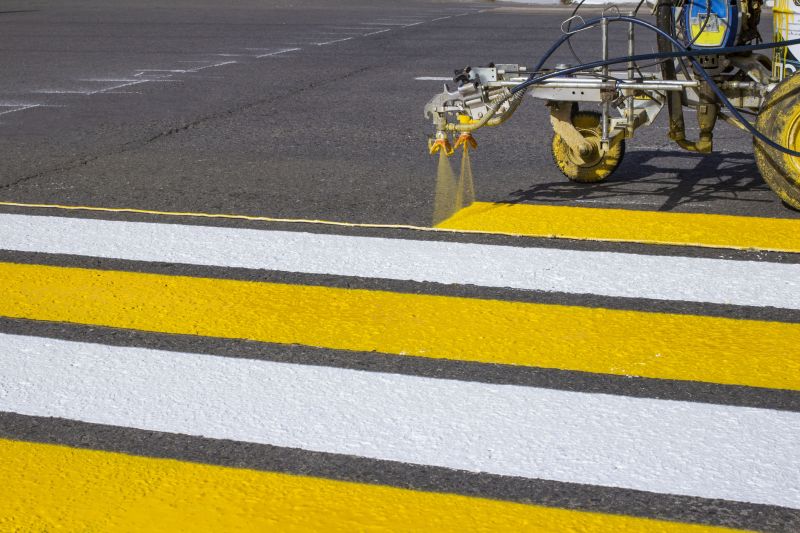
High-quality equipment ensures precise application and efficient project completion.
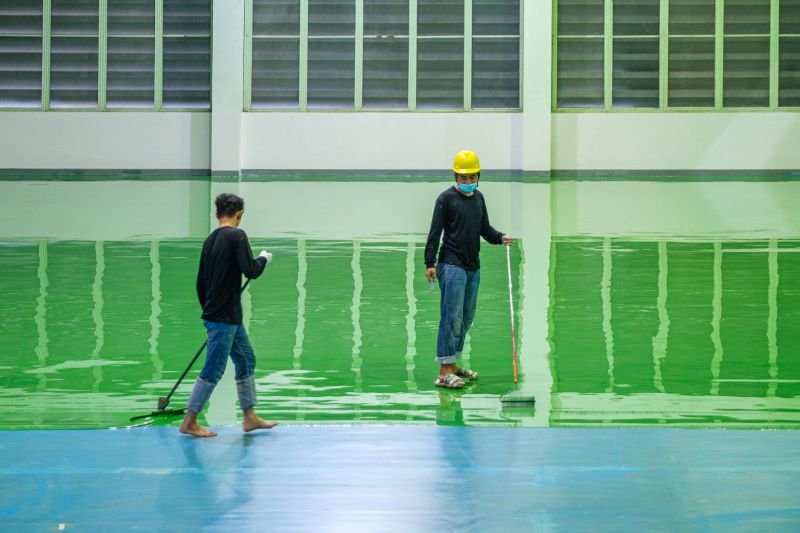
Proper surface prep is critical for long-lasting results in industrial environments.
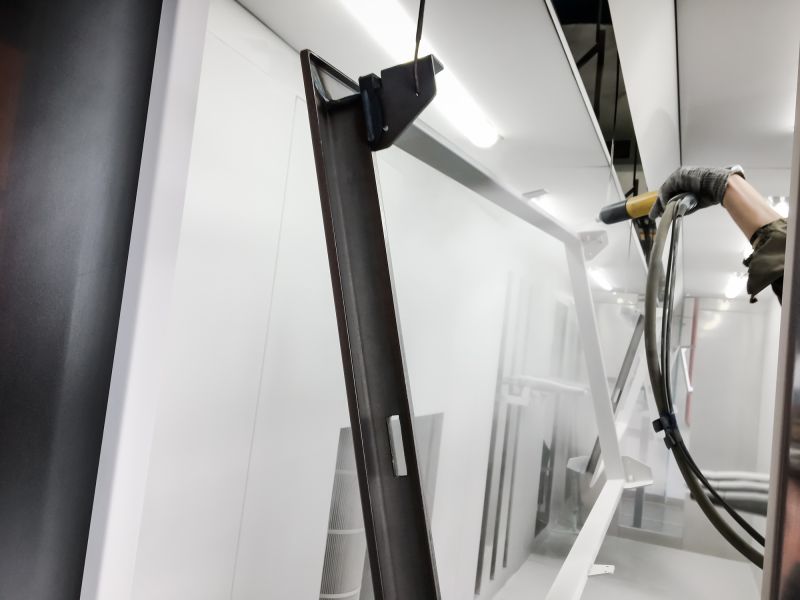
Professional application techniques improve finish quality and durability.
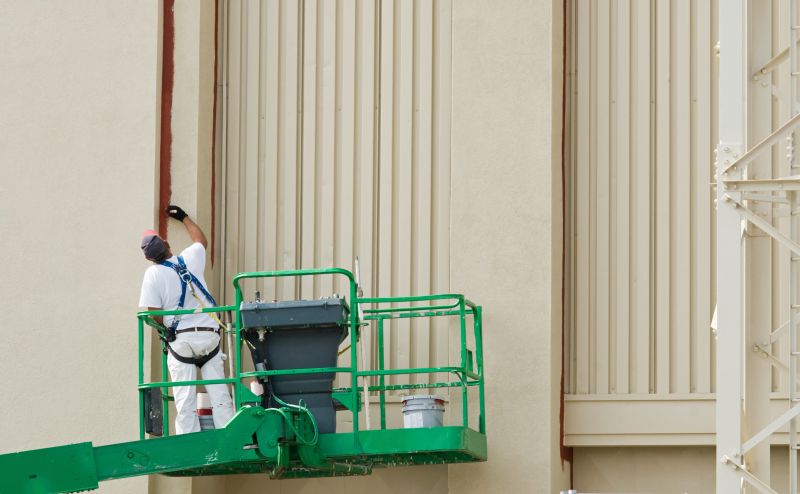
Ways to make Industrial Painting Service work in tight or awkward layouts.
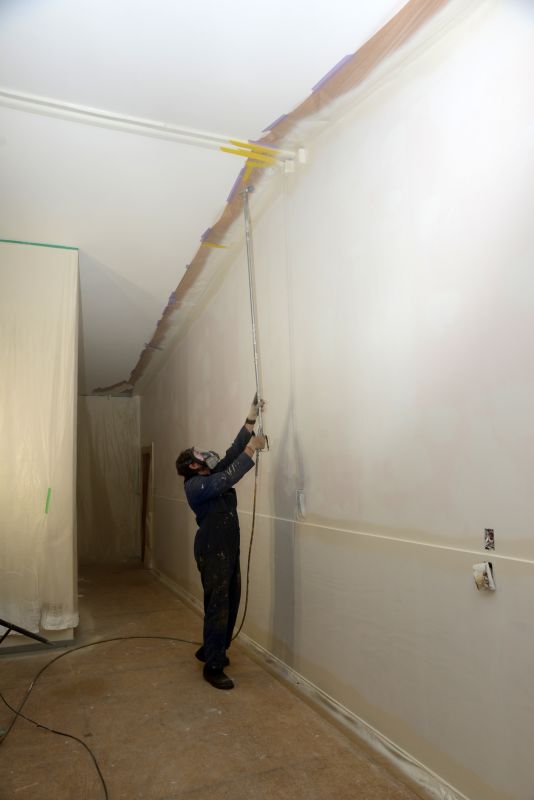
Popular materials for Industrial Painting Service and why they hold up over time.

Simple add-ons that improve Industrial Painting Service without blowing the budget.

High-end options that actually feel worth it for Industrial Painting Service.
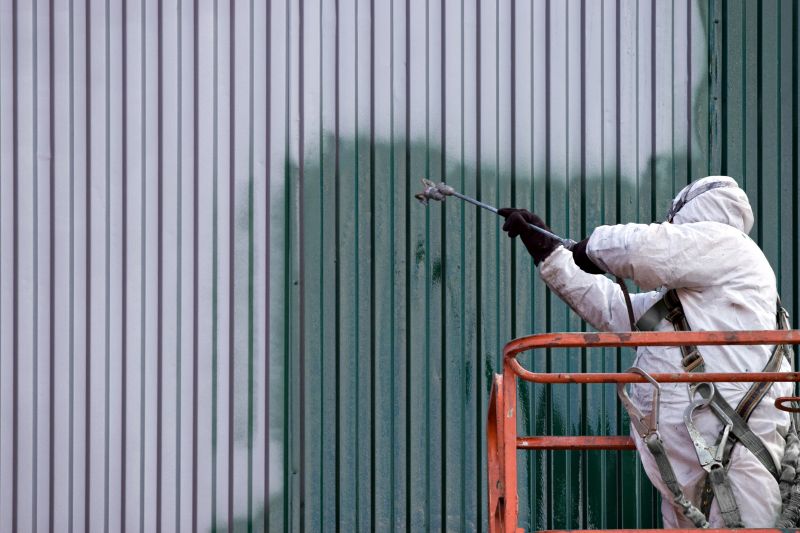
Finishes and colors that play nicely with Industrial Painting Service.
Industrial painting services involve applying protective coatings to a variety of structures, including factories, warehouses, and manufacturing plants. These coatings safeguard surfaces from corrosion, wear, and environmental damage, extending the lifespan of assets. The process typically includes surface preparation, priming, and multiple coats of specialized paint suited for harsh industrial conditions. Proper timing and execution are essential to ensure the coatings perform effectively and last longer, reducing maintenance costs and downtime.
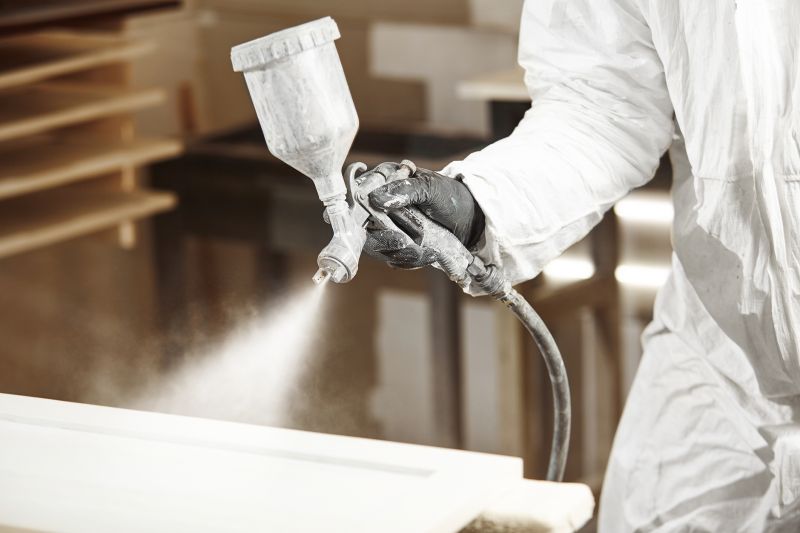
Specialized paints designed for durability in industrial settings.
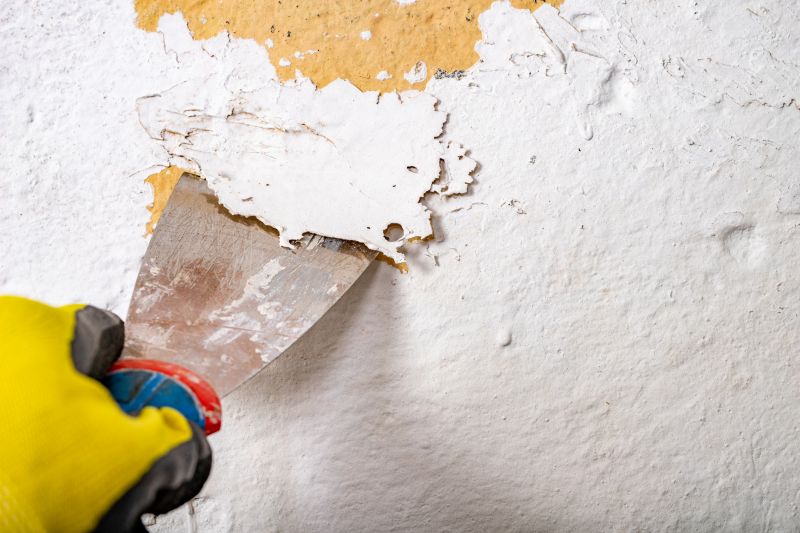
Tools and techniques for optimal surface readiness.
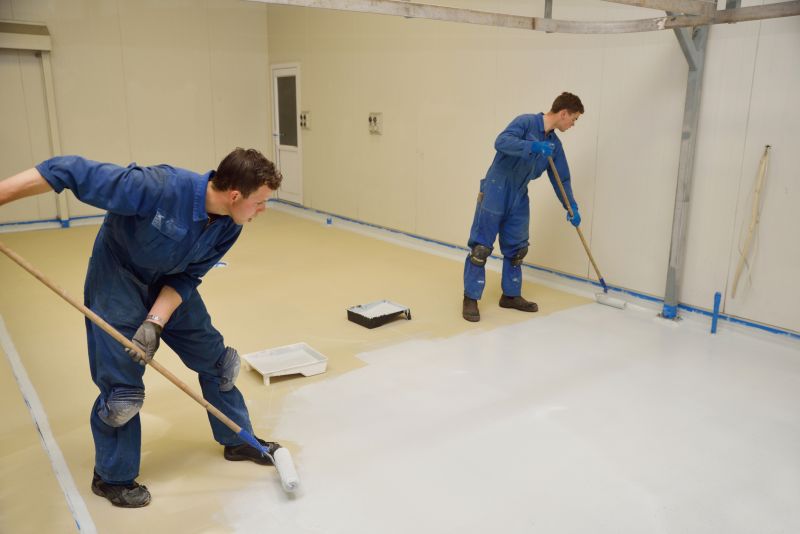
Methods to ensure even and long-lasting coverage.
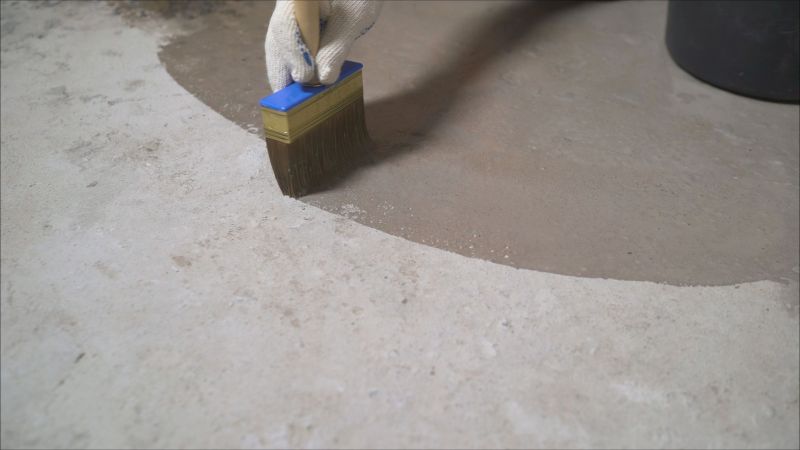
High-quality coatings on industrial infrastructure.

Little measurements that prevent headaches on Industrial Painting Service day.
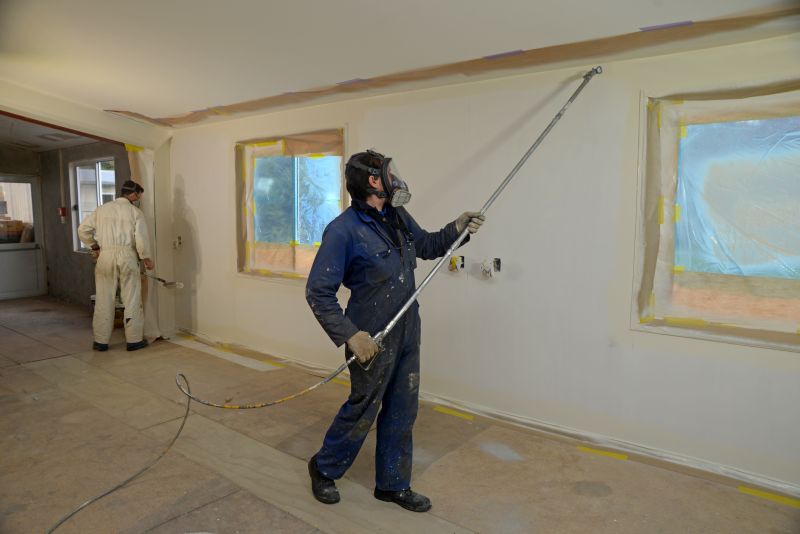
A 60-second routine that keeps Industrial Painting Service looking new.
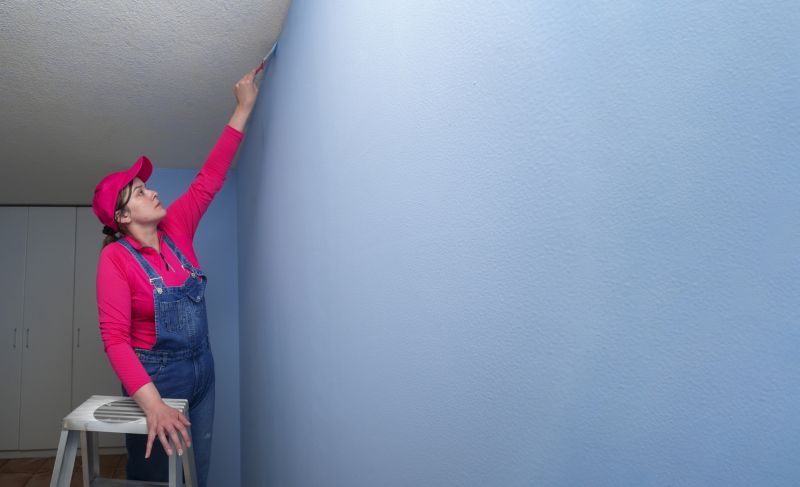
A frequent mistake in Industrial Painting Service and how to dodge it.

Small tweaks to make Industrial Painting Service safer and easier to use.
| Factor | Best Timing |
|---|---|
| Temperature | Between 50°F and 85°F (10°C to 29°C) |
| Humidity | Below 85%, ideally between 40-70% |
| Rain | Avoid during forecasted rain or high moisture |
| Wind | Minimal wind speeds to prevent debris and uneven application |
| Operational Schedule | During planned downtime or low activity periods |
| Season | Spring and fall are generally optimal |
| Surface Condition | When surfaces are clean, dry, and free of contaminants |
Choosing the right time for industrial painting enhances coating performance and longevity. Weather conditions such as temperature and humidity significantly impact the curing process and adhesion quality. Proper planning around operational schedules minimizes disruptions and ensures safety for personnel and equipment. Consulting with experienced professionals can help identify the most suitable periods for executing industrial painting projects effectively.
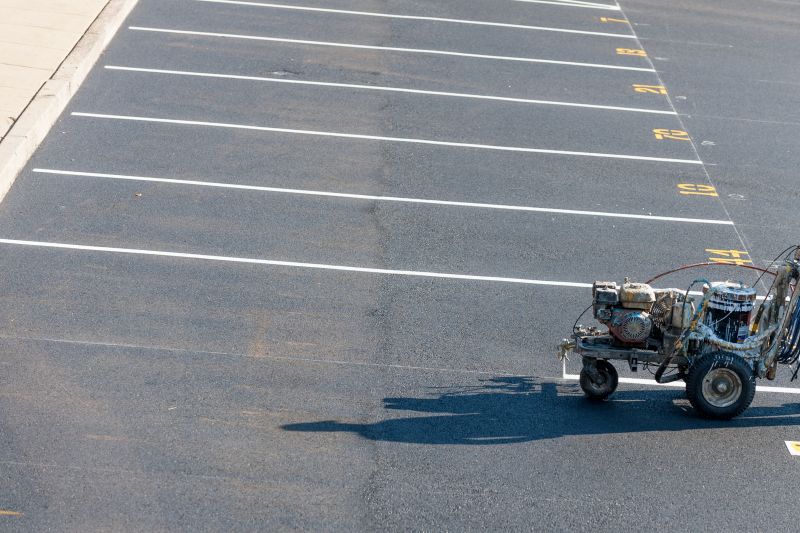
Preparation and planning at the project site.
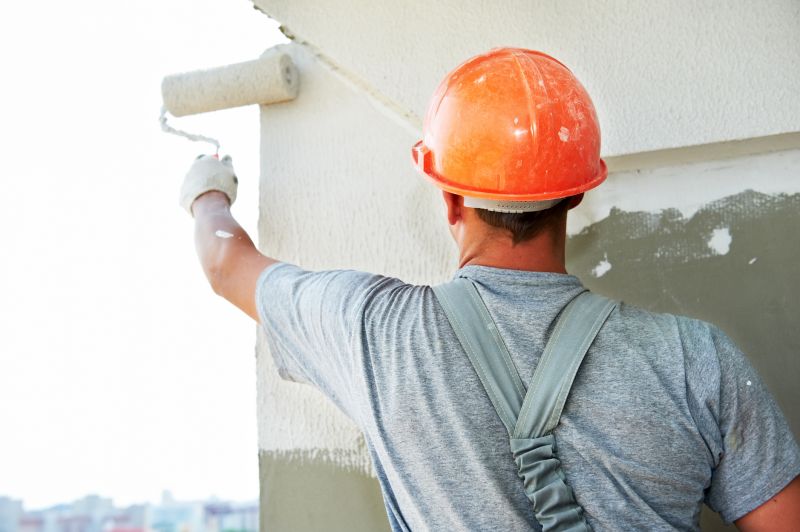
Using weather data to schedule painting activities.
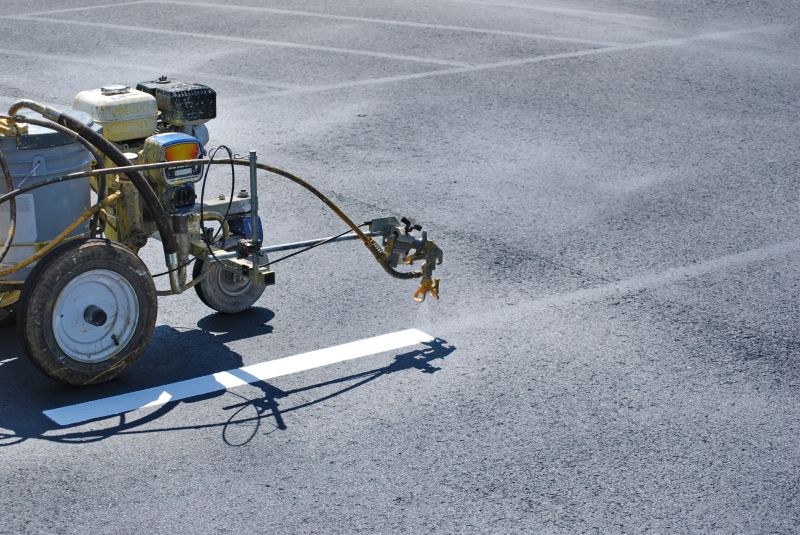
Setup of equipment in optimal conditions.
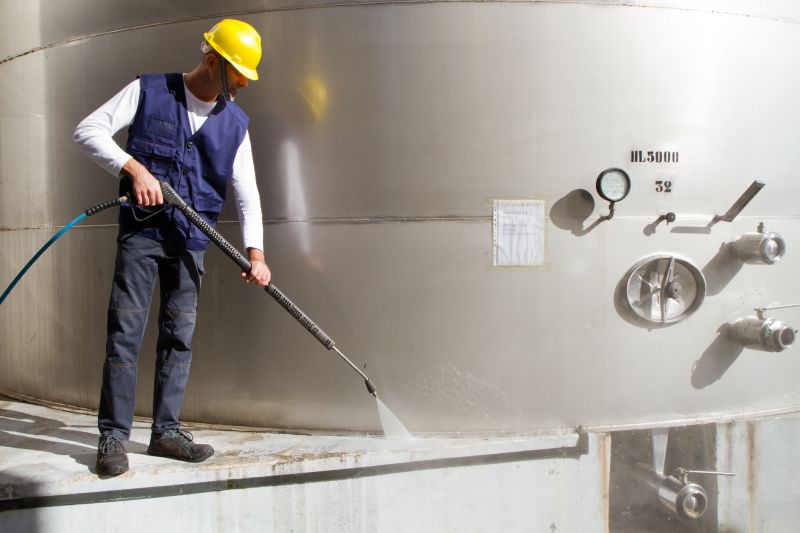
Lower-waste or water-saving choices for Industrial Painting Service.
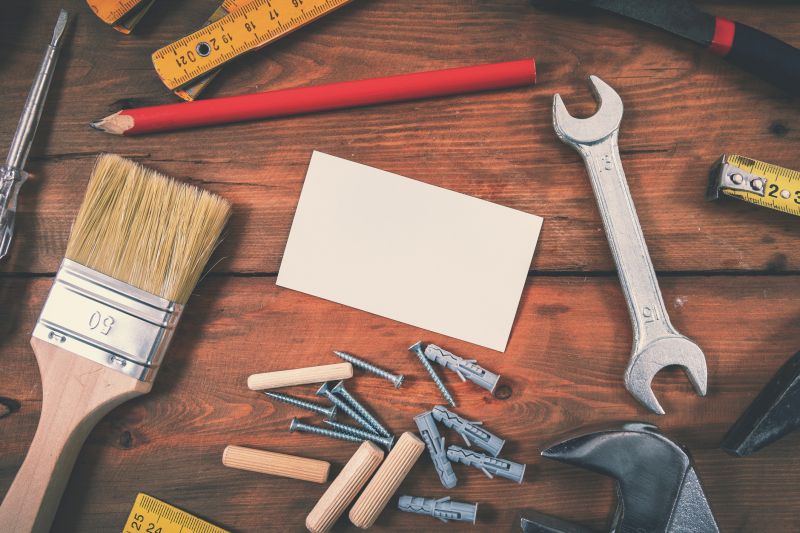
The short, realistic tool list for quality Industrial Painting Service.

Rough timing from prep to clean-up for Industrial Painting Service.
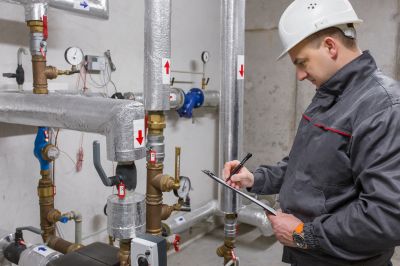
Quick checks and paperwork to keep after Industrial Painting Service.
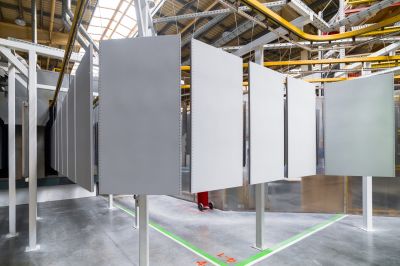
Examples that show the impact a good Industrial Painting Service can make.
Interested parties are encouraged to contact for more information or to schedule an industrial painting consultation. Proper timing, surface preparation, and high-quality materials contribute to the success and durability of industrial coatings. Ensuring the project aligns with operational schedules and environmental conditions maximizes results and minimizes risks.